Secure Your Future: How to Save Emergency Funds the Right Way

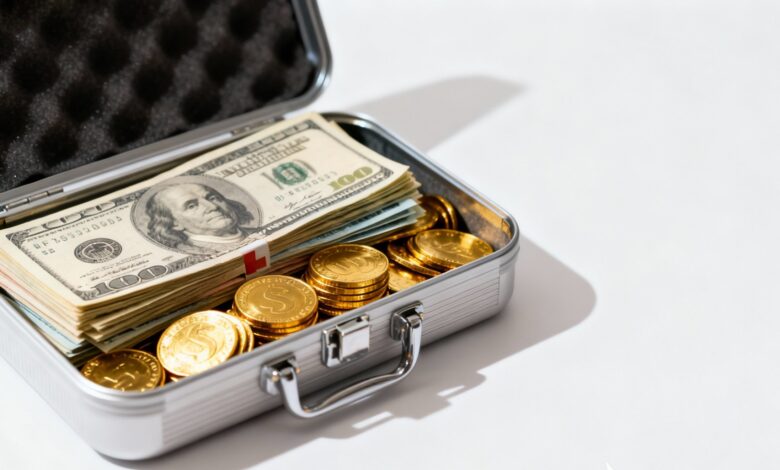
Life can be unpredictable. Illness, unemployment, home repairs, or helping out family members could happen at any time – and each one affects the ability to be financially stable. But a safety net also enables one to deal with the unplanned spends without loans and without compromising future targets. Panic should be replaced with planning and preparation. People between 20 and 50 can find actual gain from the right saving behaviors.
Exploring the Purpose of an Emergency Fund
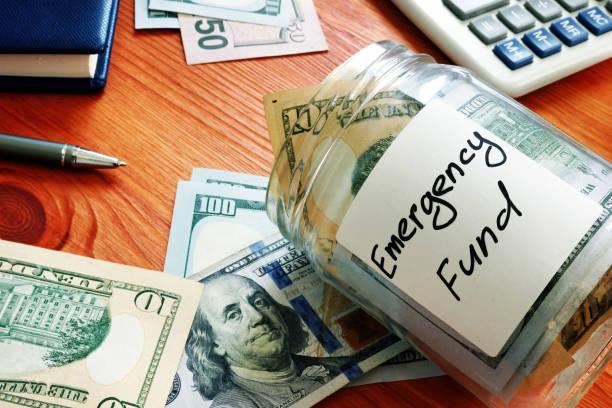
An “emergency fund” refers to money saved and put aside for unexpected and necessary costs. It’s ought not be used for travel purposes, buying things, but it must be accessible and for use in emergencies only. The main point of this money? To safeguard you against financial difficulties and reduce reliance on costly loans during emergencies. It’s very helpful to understand its use so that people won’t venture beyond budget limitations.
Determining the Correct Quantity
Financial advisors normally suggest allocating reserves for covering essential expenses between three to six months. This includes paying rent, electricity bills, food, transportation, as well as insurance. If your income fluctuates from month to month or if you are supporting a family, it is a good idea to aim even higher. However, the bottom line is to take action NOW.Selecting the Right Location for Storing Funds in
Case of Emergencies
Where you put your money for an emergency can be just as important as how exactly you set that money aside. In addition to being safe, it should also be accessible in a way that won’t devalue it. Rather than using regular savings accounts, it might be more useful to use high-yield savings accounts, or consider using money market instruments. They won’t fluctuate but grow faster than usual ones.
In most cases, it is better not to invest the emergency funds in options that are highly volatile, such as stocks or cryptocurrency, for example. It is possible that when prices are dipping, funds could evaporate when needed most.
Creating the Fund on a Consistent Basis
Consistency is key while building a reserve as well. Open an account where you systematically deposit a small amount each month. Automatic transactions of funds in one account to another will ensure that the deposited amount remains untouched. Once income increases, the surplus earned during periods of high income will bring accelerated growth.
Putting unexpected money, like refunds or rewards from a job, into a savings account will increase savings without any change in spending.
Securing and Preserving the Fund
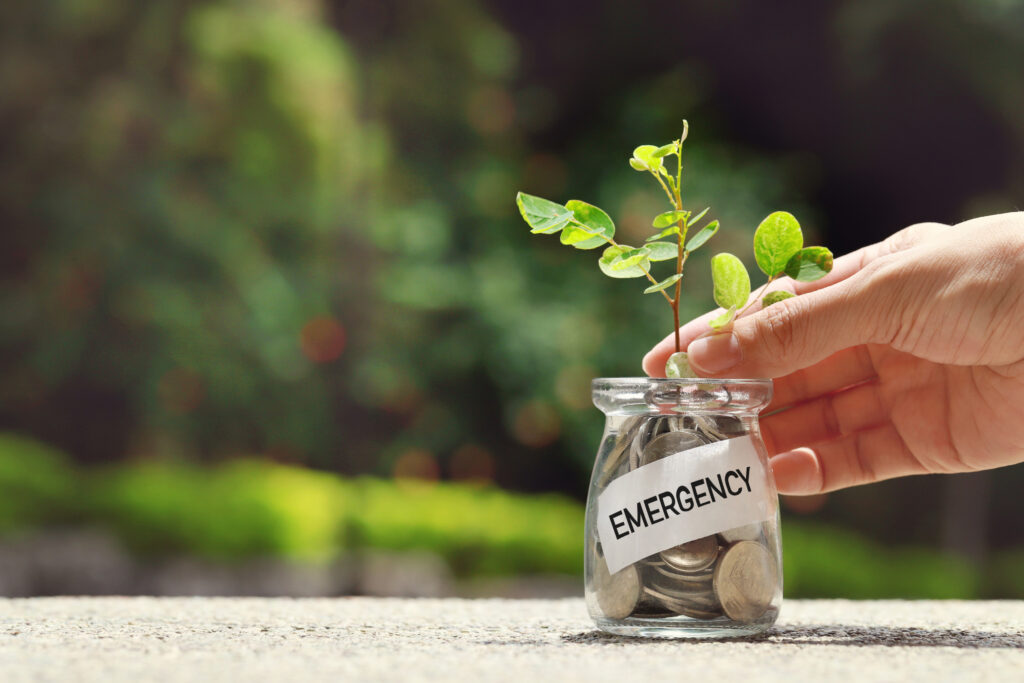
Once built, your emergency fund should also be reviewed for changes from time to time should your conditions of life change, for example, getting married, changing jobs, or rising expenses, among others, whereby your new goal might need to change as well. After withdrawing from your emergency fund, rebalance your account as soon as possible, which should always have priority in your expenditure budget for it to offer insurance for any unexpected eventualities in your life
Conclusion
Setting aside money for unforeseen situations is important in financial management. This happens if people set goals and make sound decisions regarding options and contributions to savings to avoid unforeseen expenses. As adults oversee daily and long-term tasks and goals, having money set aside gives people a feel of everything being right – peace of mind and stability – especially during tough times.