Recommended Financial Note-Taking Apps to Simplify Personal Money Management

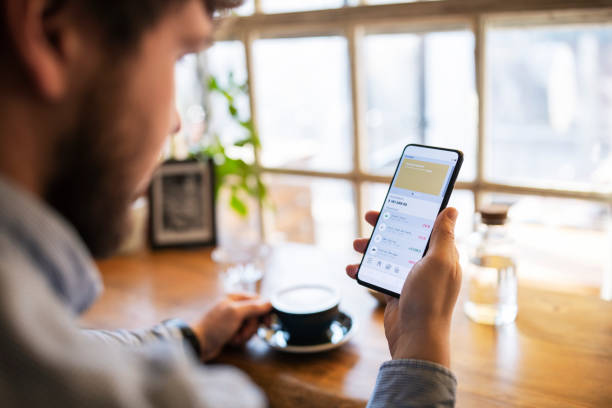
Managing finances has never been more difficult because of the rapid technological evolution taking place in the digital world. With multiple sources of income, monthly bills, and long-term goals, accounting is essential to make constant progress and informed decisions. Fortunately, finance journal applications make the process more manageable to organize finances, spending, and planning. This way, individuals between the ages of 20 and 50 can benefit from finances with insight, ease, and control, even without expertise.
Why Financial Tracking Apps Matter
Financial notebook applications equip an individual to know how they are spending money by highlighting trends over time. Even though one writes down income and expenses regularly, cutting unnecessary spending and setting money aside will not catch them off guard because money applications make it easy to manage all this, unlike traditional accounting methods where one would have to do all this by hand, involving possible errors and taking long to complete tasks like accounting and bookkeeping.
While choosing a tool for financial calculations involving notes, it is essential to consider what makes performance good. One should opt for a tool that is capable of offering the following:
- Actual cost tracking – organize by categories to see where expenditures are occurring.
- Budgeting tools – budgeting applications track performance to ensure that users achieve goals.
- Visual reports – to quickly interpret data.
- Information safety and security – including encryption and secure login.
- Sync between devices – can be used on a cellular or tablet computer, as well as a computer.
Popular Financial Note-Taking Apps
1. Mint
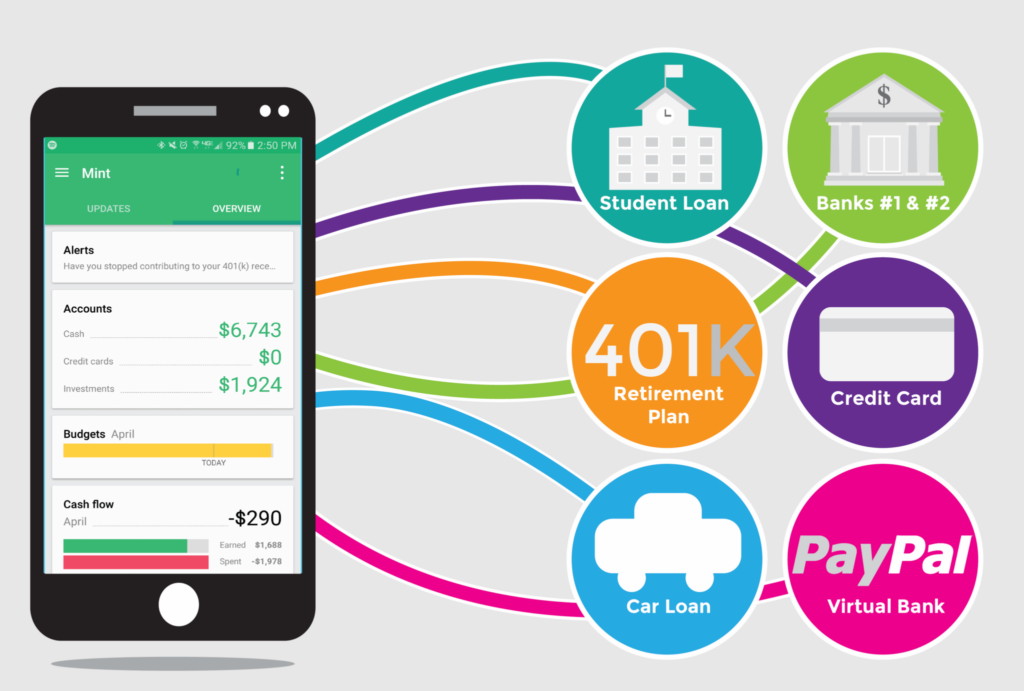
Mint is one of the best applications for handling finances. Since it links to bank accounts, changes are made immediately. Whenever one is nearing a payment, reminders also pop up. Budgets can also be set. This application is beneficial, with graphs in different colors helping one identify a trend within seconds.
2. YNAB (You Need A Budget)
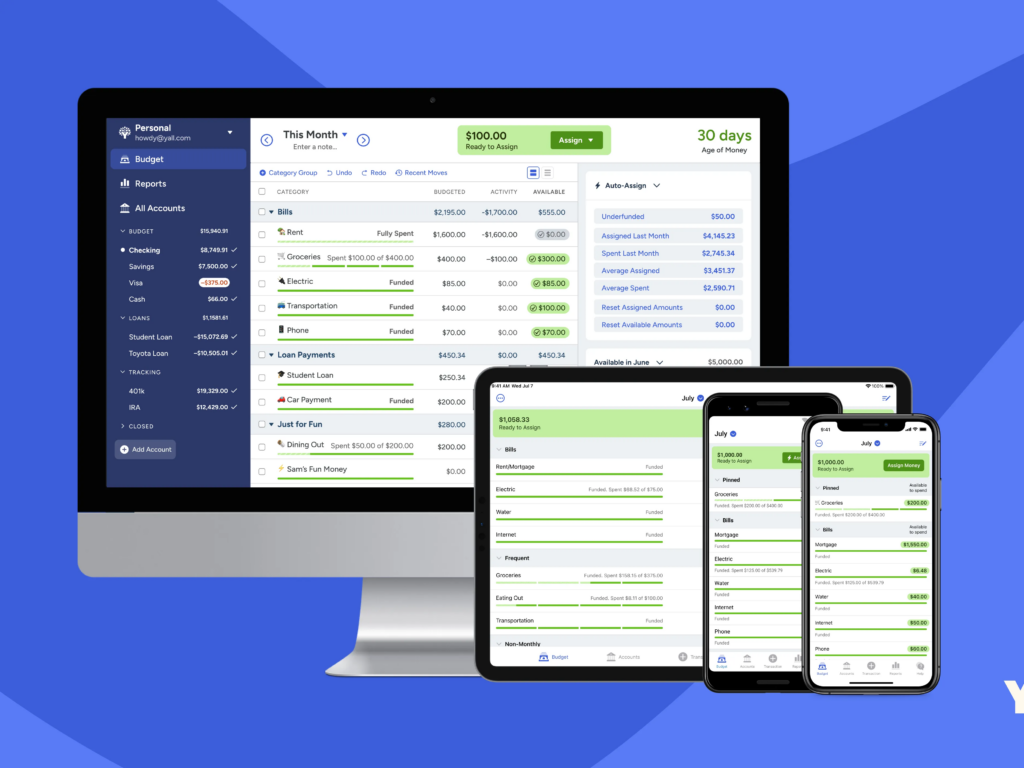
YNAB is all about budgeting your finances in advance. Rather than focusing on what you spent it on, you assign it tasks, such as saving it, putting it towards debt repayment, or using it towards day-to-day expenses.
3. PocketGuard
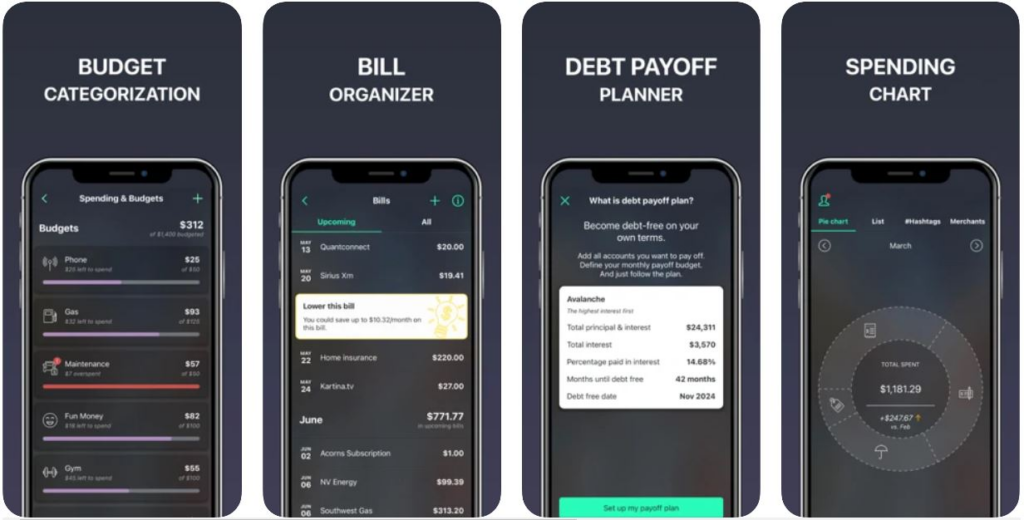
PocketGuard simplifies the budgeting process by reflecting how much is left after meeting the costs of expenses, savings, and necessities. As the app presents an easy method, it also steers the user away from overspending. The app is designed in such an efficient manner that there is no need for frequent updates.
4. Money Lover
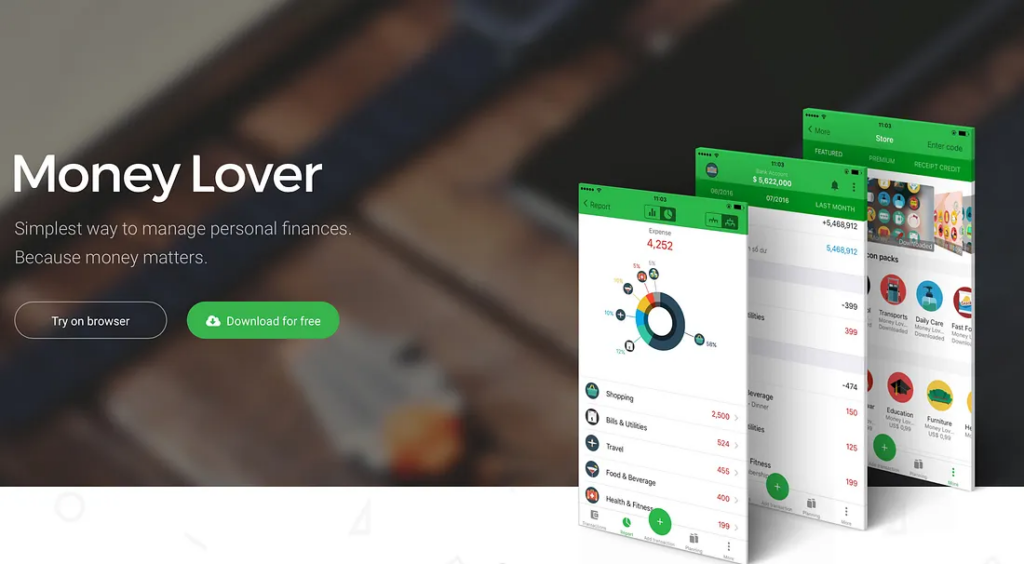
It is suitable for those whose management methods involve manual budgeting through adjustable features. This application allows users to track their spending, including personal categories, while providing an understanding of the charts. It offers reminders for when payments are due, including the management of multiple wallets.
5. Goodbudget
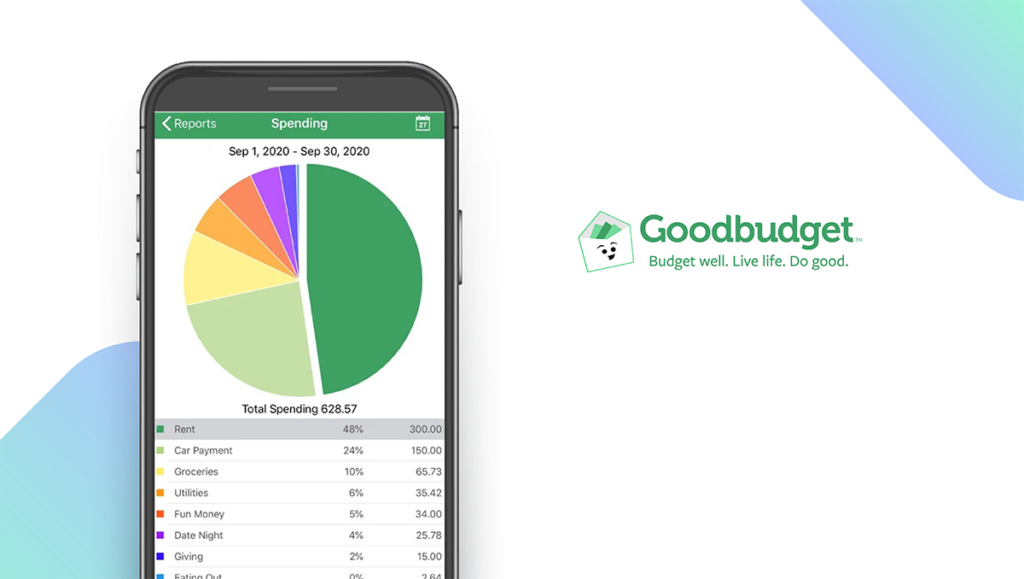
Goodbudget uses the envelope system to manage finances. Instead of using physical containers, individuals set aside portions of their income in virtual ones, labeled respectively for different sources like food and recreation. This way, it becomes easier to remain within allocated boundaries because finances are allocated to distinct pools. The design provides clarity on where finances should go.
Advantages for Varying Financial Goals
The personal finance note-taking applications are applicable to a variety of personal goals. Young professionals find it easier to manage income receipts, savings, and expenses. They could track bills to be paid and save money for educational and unforeseen expenses. The self-employed find it useful to record income as well as expenses, which helps them with taxes as well as with business planning. Since the applications adapt so easily to personal circumstances, these applications are universally effective, no matter the end-user’s age or income levels.
Security and Privacy Concerns
Became financial information is personal, so security is primary. Trustworthy financial resources utilize coding, secure ways of signing into accounts – including double-step processes – and understandable privacy guidelines. Choose platforms with good security practices and keep them updated to eliminate vulnerabilities.
Conclusion
Personal financial note-taking applications simplify managing money in a world that is increasingly technology-oriented. Since these tools introduce organization, a clean layout, and functionality, individuals can track expenses, manage a budget, or plan ahead with optimal effectiveness. To make a difference by choosing an appropriate program and maintaining consistency with it is to make record-keeping of finances a productive and confidence-boosting experience that enhances long-term security and manageability of finances.