Building Financial Resilience: Smart Strategies for an Unpredictable World


In this economy, the necessity of keeping money stable is felt now more than ever. Every time costs rise, markets fluctuate, or international tensions flare up, family budgets suffer in the respective manner. It is the stability that every active adult from 20 to 50 years old needs while trying to make both ends meet at work and rearing his or her families but thinking of the future. Long-term security is very hard to achieve without it. Life is full of surprises, and once these strike, challenges are easier to put up with because of proper preparation. Stability can be obtained through consistent routines even during unrest.
Building Healthy Financial Roots
The first step to better finances is to create a clear foundation. First, save enough to pay for three to six months of living expenses in case of job loss, serious medical problems, or abrupt income reductions. When that is achieved, focus on debt management, since expensive loans undermine stability in a surprisingly short amount of time. For this reason, reducing debt and avoiding new borrowing is paramount. Watching where the money is going brings clarity: to understand monthly outflow helps with behavioral adjustments to find savings opportunities while laying the ground for long-term growth.
Income and Investment Diversification
The best way to reduce financial risks while boosting stability is through diversification. Rather than relying on just a single source of income, it’s good to have additional streams during economic downturns. Earning extra from freelance online work, side businesses, rental properties, or returns on investments increases one’s resiliency. Such benefits follow when shifting across various asset classes, too. The money put into stocks with bonds or funds makes their value lower in case of wild changes in the market. Combining assets coming from different industries shields personal finances while trying to hit more stable growth over time.
Lifelong Learning: Coping with Economic Change
The economies change at the blink of an eye; being abreast of knowledge strengthens one’s adaptability. Acquiring financial literacy shall support better decision-making, discover new opportunities, yet also prepare individuals for changes in the markets. That may be about understanding personal budgets, investment techniques, or systems handling digital cash. Technology brings a host of advantages: spending trackers, wealth creation sites, and planning resources take the pain out of organization and afford more control over one’s money. People who retain flexibility, hence adjust nimbly, fare better in uncertainty and keep more paths open.
Focus on Long-Term Planning/Personal Well-being
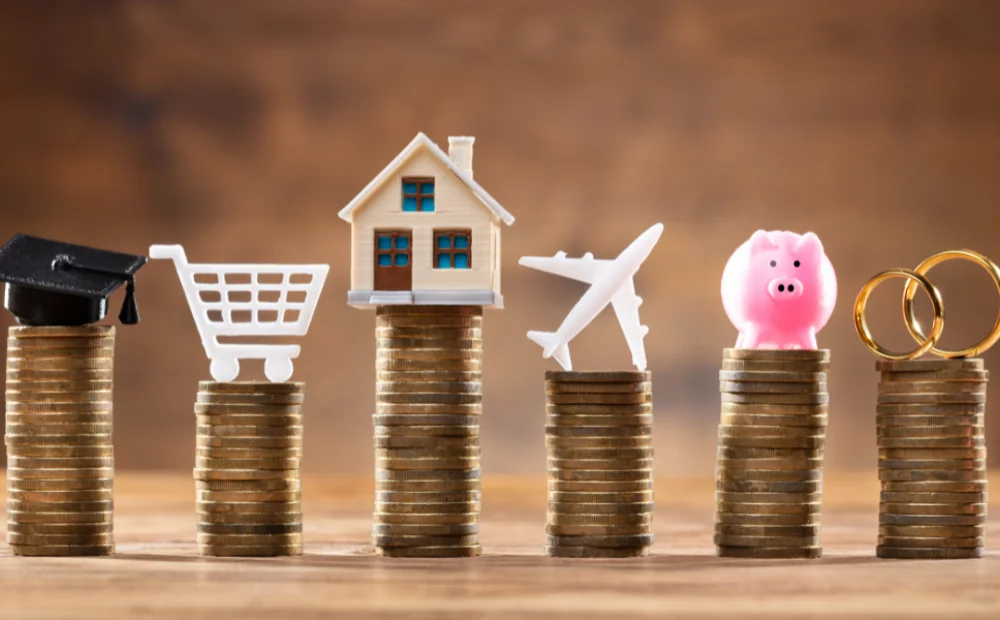
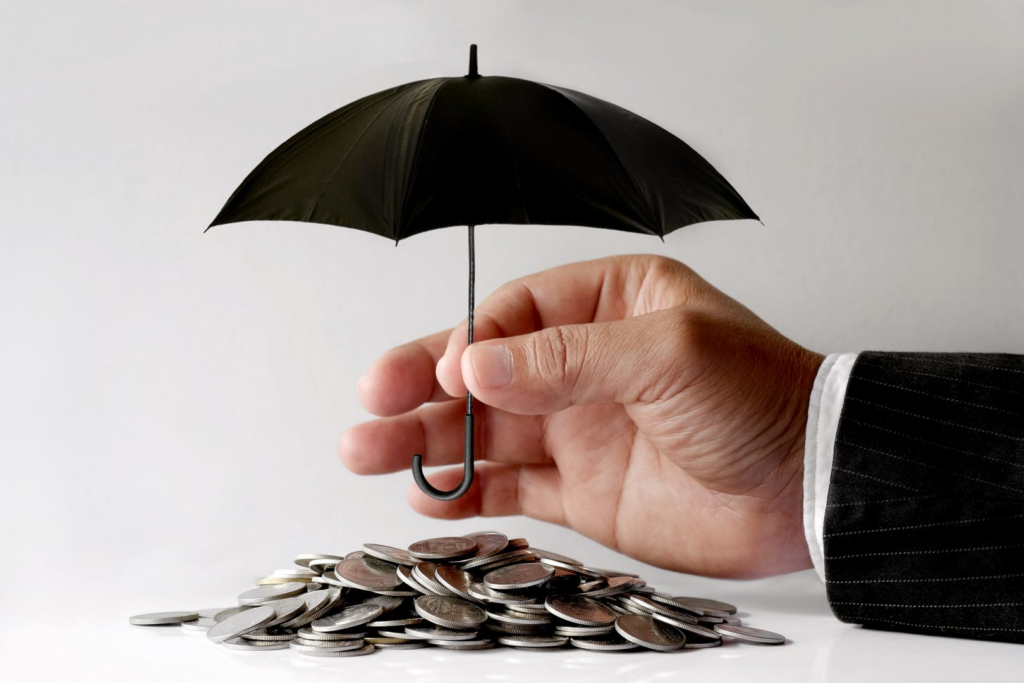
Being financially strong is more than financial management; it’s about preparing for a predictable future which will safeguard your lifestyle. Of course, planning ahead could also pertain to specific life goals you may set, such as retirement savings, buying a home, or funding education costs. Insurance-whether health, life, or asset insurance-protects against essential times when, God forbid, anything goes wrong. Mental well-being matters just as much. Financial stress makes clear thinking difficult and impacts physical health; balance and support through life’s ups and downs ensure stability across time.
Last Plans
This isn’t some kind of one-time finish line because financial strength keeps on fluctuating; it takes attention and awareness but at the same time adaptability. A good foundation, along with extra income sources and properly thought-out investments, propels one forward uninterruptedly towards ever-changing circumstances. Build insight against future-oriented steps to remain unflappable in the face of change. Resilience enables one to absorb the shocks and setbacks with more comfort, thus maintaining a more even keel into the future.